Deleted Reality 2025

China Academy of Art
December 09, 2025

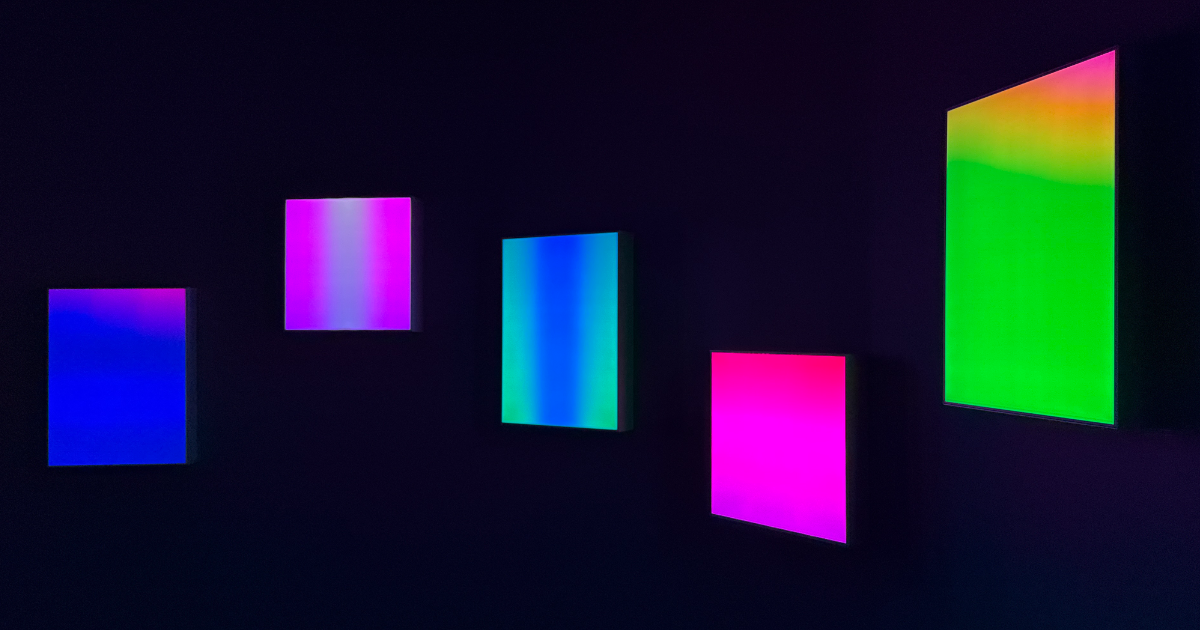
Deleted Reality 2025 was presented at the China Hangzhou Art and Technology Biennale 2025, held at Yuhang Art Museum in Hangzhou, China.
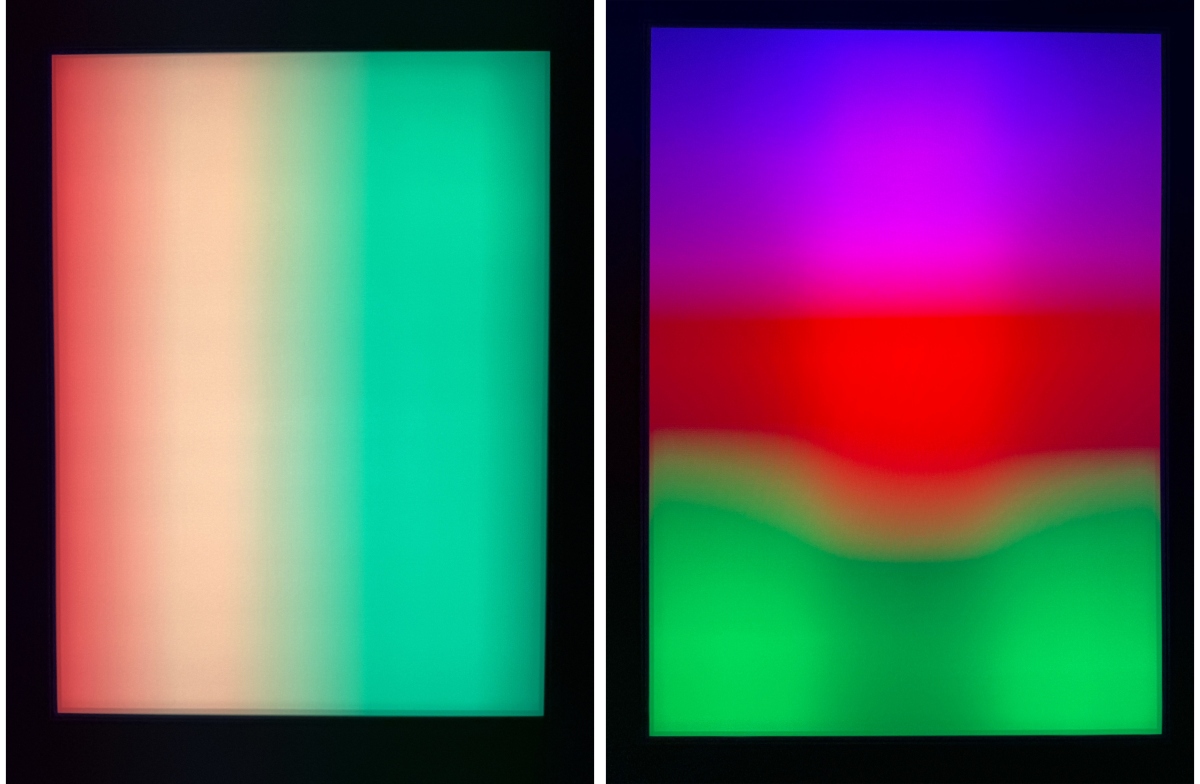
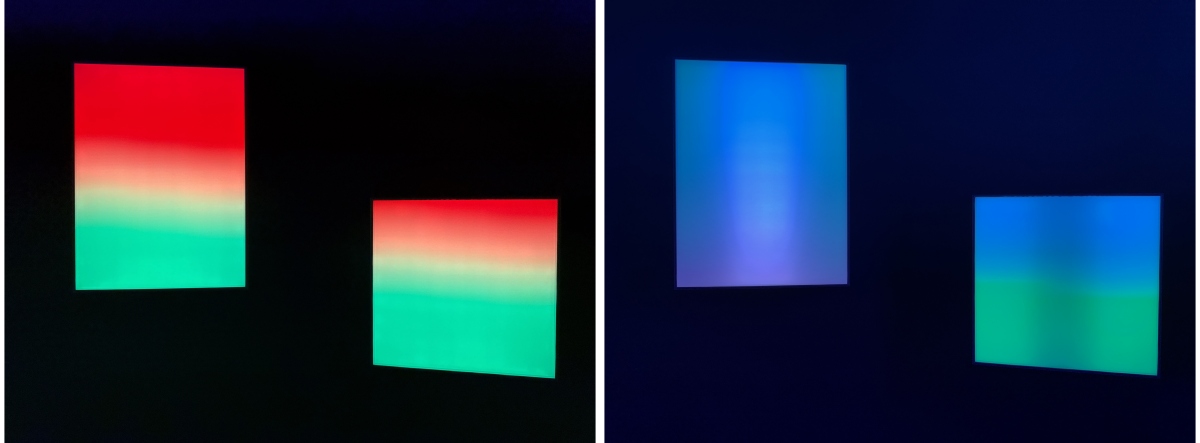
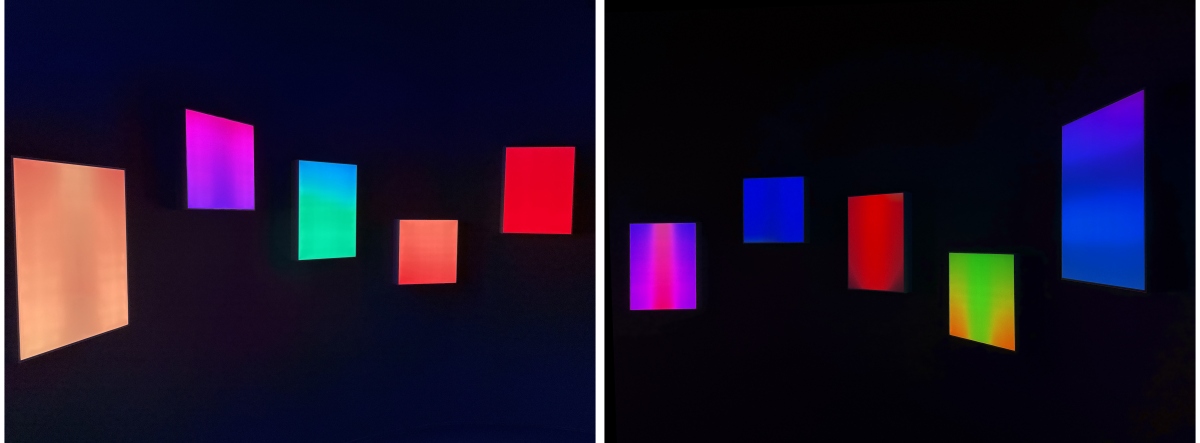
To the naked eye, the work appears simply as a glowing white panel. Yet when viewed through a smartphone camera, bands of vibrant color emerge across the screen.
High-speed cameras are typically used to observe instantaneous phenomena that unfold too quickly for human perception. These devices, however, are costly and inaccessible for everyday use. This work instead makes use of the ubiquitous smartphone, offering a casual experience of phenomena beyond the reach of our human senses.
Most smartphone cameras employ a rolling shutter, recording each image sensor one line of pixels at a time with slight time delays between each line. As a result, a single photograph actually contains fragments of different moments woven together. Building on this effect, the work uses custom high-frequency flickering LEDs to render visible a reality imperceptible to the naked eye.
Exhibition Title: China Hangzhou Art and Technology Biennale 2025
Venue: Yuhang Art Museum
Period: Saturday, October 18 – Wednesday, December 18, 2025
(Deleted Reality 2025 will be on view until November 28)

Hosts: Zhejiang Provincial Party Committee Publicity Department, China Artists Association / Zhejiang Provincial Department of Culture, Radio, Television and Tourism Zhejiang Provincial Federation of Literary and Art Circles / China Academy of Art
Supports: Zhejiang Lab / Yuhang District People’s Government of Hangzhou Municipality Hangzhou Municipal Bureau of Culture, Radio, Television and Tourism
Organizers: Zhejiang Artists Association / School of Design and Innovation of China Academy of Art Art Museum of China Academy of Art Yuhang District Party Committee Publicity Department of Hangzhou Municipality Hangzhou Liangzhu New City Management Committee / Yuhang Art Museum
Credit
Creative Direction : Daito Manabe, Motoi Ishibashi
Technical Direction : Motoi Ishibashi
Circuit Design : Yuta Asai
Product Design : Motoi Ishibashi, Toshitaka Mochizuki
Sound Design : Daito Manabe
Project Management : Tomoyo Obata
Produce : Takao Inoue